This website does not service, repair, or accept sewing machines, and it takes no bookings. It explains the kinds of service available and lists the local shops that do the work.
Independent guide & directory — not a service shop
Sewing machine service in Bowling Green, explained.
What does an annual tune-up actually involve? What’s the difference between service and repair, and what should it cost in southern Kentucky? This guide answers those questions — and points you to the local shops doing the work today.
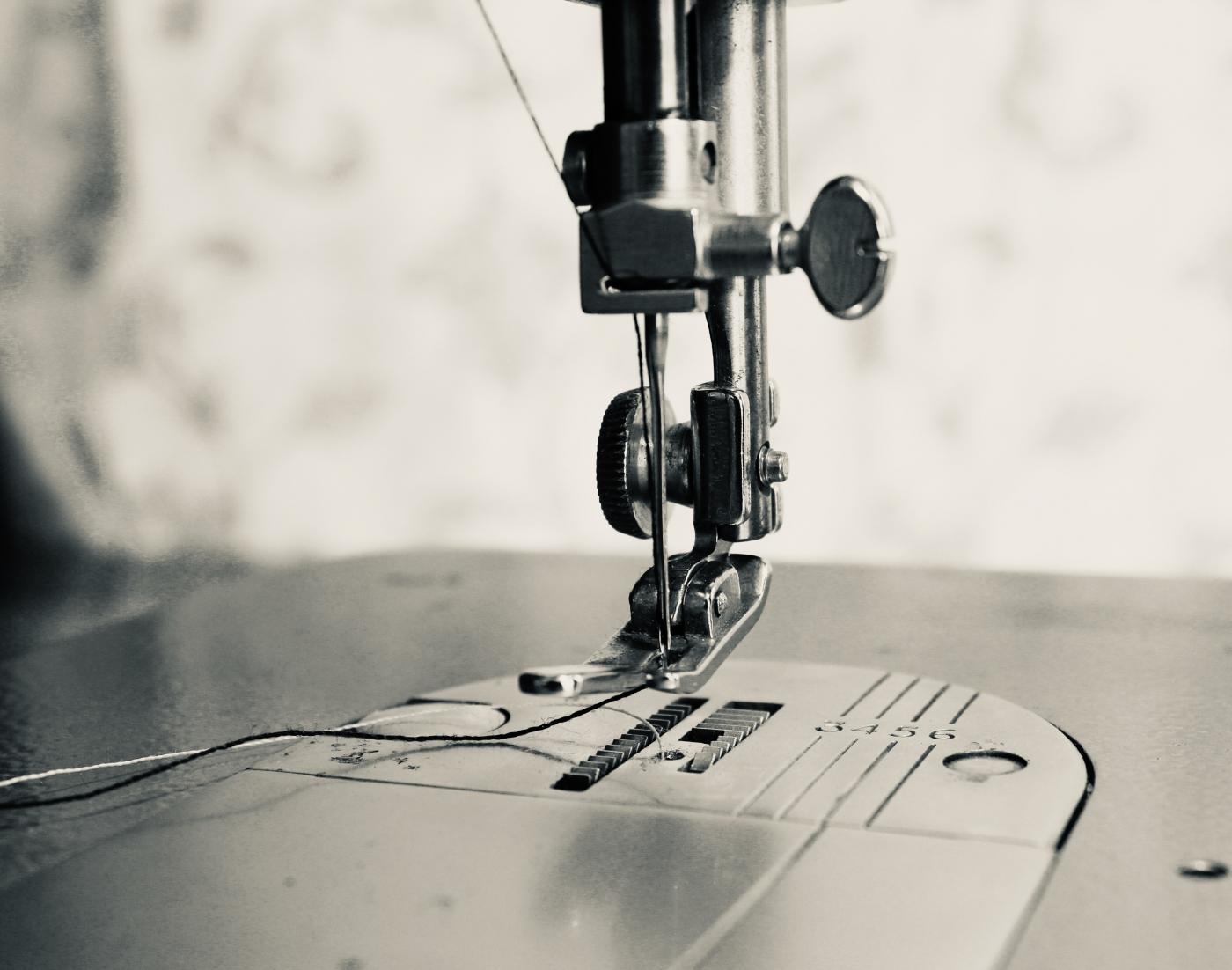
SOKY Sewing Guide explains how sewing machine care works and where to find it locally. The guide covers the main kinds of service a machine may need, what a thorough service should include, typical regional costs, and what to expect when a machine is dropped off at a shop. It is written for quilters and sewists in south central Kentucky — Bowling Green, Scottsville, Glasgow, Franklin, Russellville, and nearby communities. Local service options are listed in the Local Shops directory, and local guilds and groups appear on the Guilds & Groups page.
Types of sewing machine service
Annual tune-up / clean, oil & adjust (COA)
A tune-up, often called a COA (clean, oil, and adjust), is routine preventive maintenance. The technician removes lint and old oil, lubricates the moving parts, and checks timing, tension, and stitch formation so the machine keeps sewing smoothly. Most manufacturers recommend it about once a year for machines in regular use.
Question to ask a shop: What does the standard tune-up include, and is a stitch-out test part of it?
Diagnostics & troubleshooting
When a machine skips stitches, breaks thread, makes a new noise, or stops in the middle of a project, a diagnostic visit finds the cause. The technician inspects the machine and isolates whether the problem is mechanical, electrical, or a simple needle or settings issue, then reports what a repair would involve.
Question to ask a shop: Is there a diagnostic fee, and is it applied to the repair if the work goes ahead?
Repair (mechanical and electrical)
Repair work fixes what is broken or worn: gears, motors, belts, tension assemblies, needle bars, and wiring. A shop will usually diagnose the machine first, quote the repair, and wait for the owner’s approval before replacing parts.
Question to ask a shop: Will the shop provide a quote and get approval before doing repair work?
Computerized & embroidery machines
Computerized and embroidery machines add circuit boards, touchscreens, sensors, and software to the mechanical parts. Service can include board and screen checks, firmware updates, and calibration of the embroidery unit. Not every shop works on every computerized brand, so brand coverage is worth confirming in advance.
Question to ask a shop: Does the shop service computerized models of this brand, including firmware updates and calibration?
Longarm quilting machines
Longarm machines have their own service needs: timing and tension at the machine head, plus frame and track issues such as worn wheels or a machine that does not roll smoothly. Some local technicians service longarms as well as domestic machines.
Question to ask a shop: Does the shop service longarm machines, and does that include frame and track problems?
Vintage & antique machines
Older machines often need belts replaced, aging wiring checked or renewed, and moving parts freed up after years in storage. A careful service can return a vintage machine to regular use; parts availability is the usual limit.
Question to ask a shop: Does the shop work on vintage machines, and what does it check first — belts, wiring, or frozen parts?
What’s included
Readers can use this checklist to judge any shop’s service offer. A thorough service typically includes:
- Cleaning inside and out
- Oiling and lubrication
- Timing check
- Tension balance
- Needle and hook inspection
- Belt and drive check
- Feed-dog check
- Stitch-out test on the customer’s own fabric
Is your machine due for service?
Answer two quick questions for general educational guidance. This checker does not offer or book any service — for a real assessment, talk to a local shop.
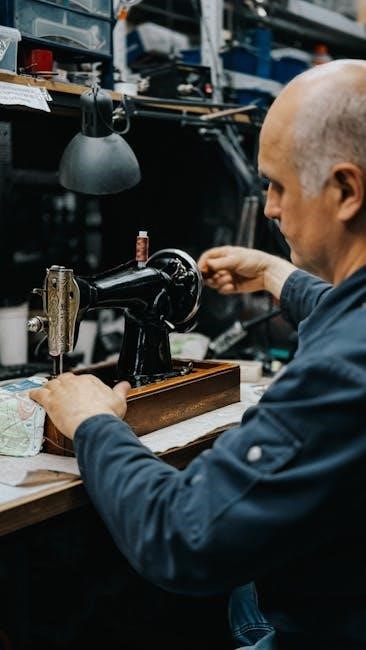
Typical costs in the region
The ranges below are approximate regional figures, given for planning only:
| Service | Typical regional range |
|---|---|
| Basic mechanical tune-up | roughly $80–$150 |
| Computerized machine service | roughly $100–$200 |
| Diagnostic fee | often $25–$60, and frequently applied to the cost of the repair |
| Longarm service | varies widely by issue, from a simple tension or timing adjustment to major frame or motor work |
This site does not offer these services; prices are set by each shop.
What to expect at any shop
- Drop-off and paperwork — the shop logs the machine, its accessories, and the problem described.
- Diagnostic — a technician inspects the machine and finds the cause of the problem.
- Quote — the shop gives a written or verbal quote for the work.
- Approval — no repair proceeds until the owner approves the quote.
- Service or repair — the agreed work is carried out.
- Stitch-out testing — the machine is test-sewn to confirm it runs correctly.
- Pickup — before leaving, check that the machine sews properly and that the power cord, foot pedal, bobbin case, and presser feet are all back with the machine.
Frequently asked questions
Does this website service machines?
No. SOKY Sewing Guide is an independent directory. For service, contact one of the shops in the directory.
How often should a sewing machine be serviced?
About once a year with regular use. Machines that sit unused for long stretches, or that see heavy quilting use, may need attention sooner.
Is it worth servicing a machine, or better to replace it?
A well-made machine that needs cleaning, adjustment, or a common part is usually worth servicing. If the quote approaches the cost of a comparable new machine, or parts are no longer available, replacement may make more sense. A shop’s diagnostic and quote help owners decide.
What should be brought when a machine is dropped off?
Bring the machine, its power cord, the foot pedal, the bobbin case, and the presser feet normally used with it. Having the usual accessories on hand helps the technician test the machine the way it is actually sewn on.
How long does service usually take?
Often one to three weeks, depending on the shop’s backlog and whether parts have to be ordered. Shops can give a current estimate at drop-off.
Do shops service every brand?
No — brand coverage varies by shop. Check the directory on the Local Shops page, and call ahead to confirm that a shop services a particular brand or model.
Ready to find a shop? The Local Shops directory lists sewing machine service options in Bowling Green and the surrounding area. Quilters and sewists can also connect locally through the guilds and groups on the Guilds & Groups page.